


Cockatoo
Diamond painting
- Size in drills
- 120 × 80
- Finished work
- ≈ 30 × 20 cm, 2.5 mm drill
- DMC colours
- 35
- Bags
- 75
Photo: ignartonosbg, Pixabay Content License
Download PDFBeginners should start with easy, stitchers with some practice can take intermediate, and advanced is for smooth shading. Mimi worked out every chart in DMC colours: the PDF is free, no sign-up needed.
The picture on the right is a calculated preview, not a photo of finished work. Skeins and bags are estimates with a margin.
Chart © Mimimetr. For personal use only, not for sale or redistribution.
Cross-stitch up to 120 stitches wide with up to 16 colours, diamond painting on a 20 × 30 cm canvas. Large shapes and a clear subject.
Diamond painting
Photo: ignartonosbg, Pixabay Content License
Download PDF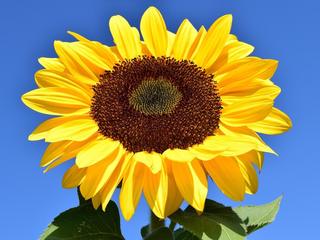

Diamond painting
Photo: ulleo, Pixabay Content License
Download PDF

Diamond painting
Photo: Alexas_Fotos, Pixabay Content License
Download PDFCross-stitch 120 stitches wide with about 20 colours, diamond painting on a 30 × 40 cm canvas. More detail, sometimes blended threads.


Diamond painting
Photo: Timrael, Pixabay Content License
Download PDF

Diamond painting
Photo: susannp4, Pixabay Content License
Download PDF

Diamond painting
Photo: Katzenspielzeug, Pixabay Content License
Download PDFCross-stitch 180 stitches wide with about 40 shades including blended threads, diamond painting on a 30 × 40 cm canvas. Many colours, smooth transitions.


Diamond painting
Photo: Pixabay Content License
Download PDF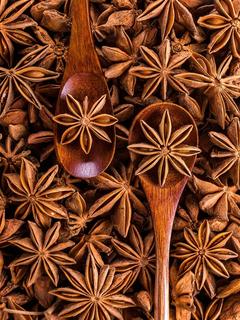

Diamond painting
Photo: Daria-Yakovleva, Pixabay Content License
Download PDF
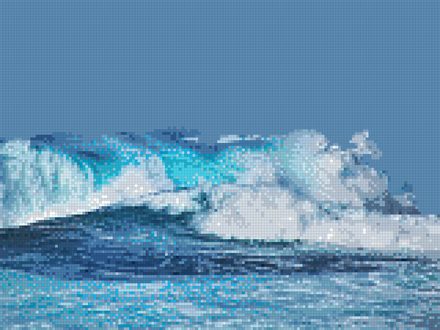
Diamond painting
Photo: manuelamilani, Pixabay Content License
Download PDFDiamond painting builds a picture by placing tiny gems, called drills, onto matching symbols on an adhesive canvas.1 Round or square describes the drills' shape, while full or partial describes the picture's coverage: choose these separately, because a full-drill design can use either shape.12
Picture a sparkling cottage with its front door still waiting for colour. You meant to sample a corner; now the builders seem to have gone off for tea. Before taking over, sort out the labels.
Choose the look you love, not the label that sounds bravest. Diamond Art Club says both round and square drills suit beginners.1 Round drills leave small spaces between neighbours, while square drills fit edge to edge.1
Rounds give a softly textured, cross-stitch-like look;1 squares sit edge to edge for a crisp mosaic look.2 Inspect close-ups: which surface would you enjoy making?
Even the shops emphasise different experiences. Diamond Art Club says neighbouring squares guide one another into alignment, which some people find easier.1 All Diamond Painting stresses the other side: squares need a steady hand because a crooked drill shows, while rounds are quicker to place.2 Neither promises what will suit your hands. Enthusiastic preference for tiny squares is allowed.
Not at all. “Full drill” means the whole picture area receives drills; “partial drill” means selected areas receive them while a printed background remains visible.2 Shape is a separate choice, so full coverage does not automatically mean squares.2
Imagine the cottage with a sparkling garden, or against a printed garden. Only coverage changes in this imaginary pair.
| Label | What it describes | Our suggested reason to choose it |
|---|---|---|
| Round | Shape, with small spaces between drills.1 | You like the spaced surface texture. |
| Square | Shape, fitting edge to edge.1 | You like a close-fitting mosaic. |
| Full drill | Coverage across the entire picture area.2 | You want to place drills throughout the scene. |
| Partial drill | Coverage in selected areas over a printed design.2 | You like a sparkling subject against a printed background. |
“Full” answers where drills go, not their shape.2
Start with a small patch, not a grand unveiling. Diamond Art Club's guide says to peel back only a small section of the protective film and keep the remaining canvas covered.1 Our suggestion is to choose a section whose symbols you can comfortably read, then follow this sequence:
The chart links printed symbols to drill colours.1 Think “symbol, code, bag”, not “that blue looks about right”. The door needn't borrow its colour from the sky.
When you stop, cover the canvas and return unused drills to labelled bags.1 Our suggestion: keep them out of your elbow's flight path.
AB stands for Aurora Borealis: Diamond Art Club describes an iridescent coating inspired by the Northern Lights that adds colourful shimmer.1 Its special shapes and finishes appear in selected designs, not every kit.1
Treat these as details to check, not upgrades you must collect. If an iridescent highlight makes you grin, inspect the kit description and chart. No craft police will demand extra sparkle.
Check the working area's dimensions against your table: larger canvases allow more detail and take longer, says Diamond Art Club.1 Here is what “just a small picture” can hide. All Diamond Painting gives 16 drills per cm² and about 19,200 for 30×40 cm.2 For a fully covered square grid at 2.5 mm pitch, the arithmetic is 4×4 = 16, then 30×40×16 = 19,200. That counts positions, not bags; it is not a rule for every round-drill grid. Check your chart. Suddenly “one more little section” has a rather impressive supporting cast.
For this collection, easy, intermediate and advanced are editorial selection advice, not universal industry grades. We suggest clear colour blocks for an easy starting point, finer details and more switching for intermediate, and scattered colours or subtle shading for advanced.
Look beyond the cover image. Can you read the symbols? Would you enjoy the surface and coverage? Choose a project to return to, not one you feel obliged to conquer.
View Mimimetr's examples, download the free PDF charts and practise with your own materials. Then get that cottage ready for its imaginary housewarming.
Both drill shapes suit beginners, according to Diamond Art Club.1 The PDF supplies a chart, not materials: here are the final checks.
No. Here, drills are placed onto an adhesive canvas using matching symbols,1 rather than stitched through fabric.
Yes. Diamond Art Club considers both shapes suitable for beginners.1 We suggest choosing by the finish you enjoy.
No. It is a chart; materials are not included. Gather a suitable adhesive surface, drills and tools separately before practising.
Sources: 1. diamondartclub.com · 2. alldiamondpainting.com
Five steps from your favourite photo to a printable cross-stitch PDF, with a DMC legend, preview checks and a sensible thread shopping list.
Our portrait-chart calculations separate palette entries from actual DMC thread colours, with results at four widths and clear limits.
The source images come from Pixabay under the Pixabay Content License. Only small previews are shown here, and only the chart can be downloaded. See the originals on the authors’ pages.